
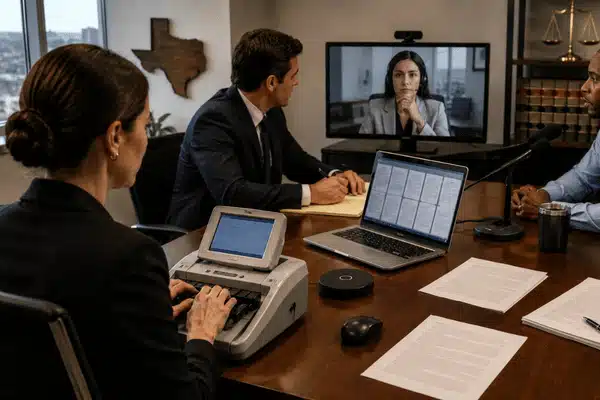
Calling a court reporter for a deposition was once a simple process. You called, someone showed up, and you received your transcript. Those days are largely gone. Deposits today can be made in three ways: in-person, remotely, or hybrid. Witnesses are located in several cities. Exhibits are stored in shared folders. If your court reporter isn’t prepared for all of that, you’ll notice it quickly.
Here’s what to look for before you book court reporter services this year.
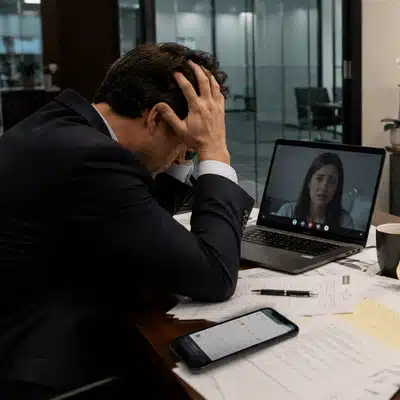
The wrong provider creates real problems. Record gaps. Billing disputes. A scheduling mess that lands in your lap two days before a hearing. It’s the kind of thing that’s easy to avoid and hard to fix once it happens.
The right court reporting agency makes the whole thing quieter. You don’t have to chase anyone down. The tech works. The transcript shows up when it’s supposed to. That kind of reliability sounds basic, but it’s not always easy to find.
A few rules still matter a lot here and tend to get overlooked.
Rule 28 says the deposition has to be taken before an officer who can give oaths where the exam takes place. When witnesses are in different states, that becomes a real issue fast. Rule 30(b)(4) gives remote depositions a solid legal foundation as long as there’s a stipulation or court order in place. Rule 45 keeps subpoena rules in play even when the witness is on a video call, so location still has teeth.
Texas Rule 199.1 allows oral depositions by phone or other remote means. The Texas Rules of Civil Procedure, updated through March 1, 2026, treat this as a normal option. It was never just a temporary measure.
On the federal side, rulemaking around Rule 45 and remote testimony is still moving. Nothing has changed yet as of May 2026. But the direction is obvious enough. Find a court reporter for deposition who already has remote figured out.
These days, remote capacity is the foundation, not an added extra. Whether a service truly does it well is the true question.
Counsel can monitor testimony in real time. This is especially helpful when there are expert witnesses and intense cross-examinations where every word matters. Effective electronic exhibit tools prevent interruptions and restarts in the deposition process. The kind of connection issues that take up hours of preparation can be avoided with a thorough tech check before anyone goes on record.
The National Court Reporters Association advises having participants identify themselves at the beginning, avoiding virtual backgrounds, and keeping everyone on camera. It’s simple, yet it maintains a clean record.
AI summaries are everywhere now. They can help you get through a long transcript faster. Per ABA Formal Opinion 512, though, lawyers still have to check the output and protect client data. Research shows speech recognition breaks down when audio gets rough or speakers have accents the system wasn’t trained on. The human reporter is still doing the real work.
Ask about credentials first. NCRA recognizes the Registered Professional Reporter (RPR) as the standard. For real-time work, look for the Certified Realtime Reporter (CRR). Don’t assume your assigned reporter has either. Ask before the deposition is scheduled.
A serious discussion about security is warranted. Lawyers must take reasonable precautions to protect client information in accordance with ABA Model Rule 1.6. When you need them, a trustworthy court reporting agency should have signed NDAs, access controls, and secured storage available. A HIPAA business associate agreement should also be accessible if the issue involves health data. It’s important to pay attention to vague security responses.
Prior to committing, obtain written turnaround options. Daily, hourly, standard, and expedited. Everything ought to be written down and include a price. Nobody wants to deal with an unexpected rush charge at the conclusion of a lengthy deposition day.
| Service Type | Best For | Main Advantage | Possible Limitation |
| Texas deposition services | Texas state cases, local hearings, short-notice bookings, and Rule 199.1 matters | Familiarity with Texas procedure, local formatting, and direct support | May have less reach for multistate matters |
| National deposition services | Cross-border cases, multistate witnesses, large teams, and interpreter needs | Wider coverage, more resources, and broader support | May feel less direct or less familiar with local Texas practice |
It really comes down to what the case looks like.
A local court reporter who is familiar with Rule 199.1 and state formatting typically makes deposition proceedings in Texas run more smoothly. You have a direct line to someone when something needs to be fixed, and short-notice reservations are simpler to make.
Cross-border and multistate issues are different. You require increased reach, access to interpreters, and cross-jurisdictional security. It’s possible that a smaller regional provider lacks the capability. Usually, a national one does.
Both are used at different periods by the majority of Texas litigators. Knowing which one works best before you call is crucial.

Most agencies price each matter separately. The United States Administrative Office. Courts established federal transcript rates ranging from $4.40 per page for ordinary delivery to $8.70 per page for two-hour turnaround. These are valuable planning numbers, not quotations from a single service.
Pricing may include:
Before making any commitments, request a formal rate sheet. It makes comparing providers easier and eliminates the back-and-forth when the invoice arrives.
Before you lock in a court reporter deposition, make sure the provider meets your jurisdiction’s rules. Check your reporter credentials. Don’t test the remote setup the morning of but a day or two before. If you need early real-time, lock it in. Put NDAs and data agreements in place. Paper pricing and turnaround, check. Have a real name of contact for the day itself
Most state and federal rules require that a qualified officer administer the oath and certify the record. The transcript has a much stronger footing if somebody tries to challenge it when it comes out of a credentialed reporter.
Yes. Texas Rule 199.1 authorizes oral depositions via phone or other remote means. Still, counsel should confirm the witness’s whereabouts and whether the officer has authority there.
Realtime displays a live text stream of testimony on counsel’s screen as it occurs. It is especially beneficial during expert testimony and high-stakes cross-examinations, where same-day conclusions are critical.
Standard turnaround is usually 10 to 14 business days. Faster options exist at each tier but come with a higher per-page rate.
No. AI tools help search and summarize transcripts after the fact. The certified record still needs a trained human reporter, and that’s not changing under current rules.
Start with encryption, access controls, data retention, and multi-factor authentication. Make sure they’ll sign an NDA or business associate agreement when the matter calls for one.
Centex Litigation is a Texas-based court reporting agency that handles both state and federal deposition work. Our reporters know Texas Rule 199.1, understand federal procedure, and have done this long enough to know what can go wrong and how to stop it before it does. We offer real-time feeds, secure transcript delivery, clear pricing, and someone who picks up the phone when you call.
If you need a court reporter for deposition your team can count on, we’re ready. Book your deposition with Centex Litigation today or reach out for a written quote. We’ll take it from there.